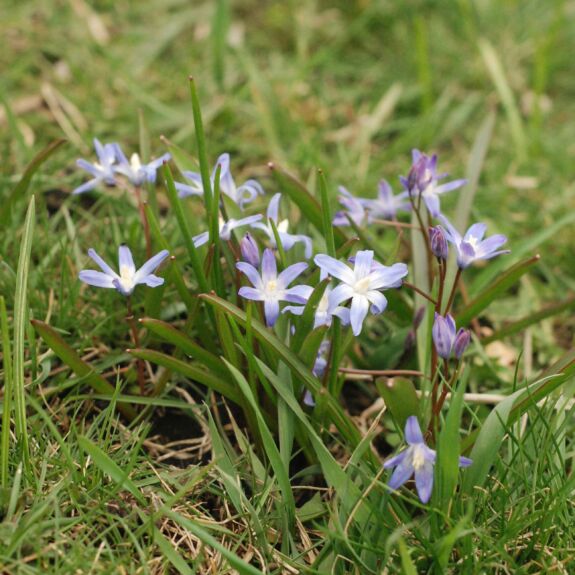
When the snow finally melts and the first rays of sunshine warm the ground, the urge to head outside and take care of your yard becomes almost irresistible. After a long winter under a white blanket, your lawn needs a little love to regain its strength and lush green color.
However, rushing in is often a gardener’s worst enemy. Working on soil that is still waterlogged can do more harm than good. The key to a beautiful lawn lies in proper timing and the right approach.
To help you start the season on the right foot, we’ve prepared an essential spring checklist. Here are 10 actions to take to gently wake up your lawn and ensure healthy growth throughout the summer.
01. Wait for the soil to dry
The first action is actually… doing nothing right away. Walking on a saturated lawn compacts the soil and can damage fragile roots emerging from dormancy. Wait until the ground is firm enough to support your steps without leaving deep footprints. Patience is your greatest ally early in the season.
02. Spring cleanup
Once the lawn is accessible, start by removing debris that accumulated over the winter. Clear away fallen branches, decomposing leaves left behind from fall, and any trash carried by wind or snow. This cleanup allows light and air to reach the grass.
03. Inspect for winter damage
Examine your yard for signs of winter stress. Look for snow mold (pink or gray circular patches), damage caused by voles (surface tunnels), or areas burned by de-icing salt near roads and sidewalks. Identifying problems early helps you target repairs effectively.
04. Light dethatching
Thatched grass (or lawn thatch) is a layer of dead organic matter that builds up between grass blades and the soil. A thin layer is beneficial, but if it exceeds 1 cm, it prevents water and nutrients from penetrating the soil. In spring, use a leaf rake vigorously to remove dead grass and lift flattened turf. This stimulates growth without the aggressiveness of mechanical dethatching, which is usually reserved for fall.
05. Soil aeration
If your soil is heavily compacted or clay-based, aeration is crucial. This process removes small plugs of soil, allowing oxygen, water, and fertilizer to reach the roots. Spring is an excellent time to aerate, as the lawn is actively growing and will quickly fill in the holes.
06. Check and adjust soil pH
Overly acidic soil prevents grass from absorbing nutrients, regardless of how much fertilizer you apply. Spring is the ideal time to test your soil’s pH. If it is too acidic (below 6.0), applying lime will help restore balance and improve nutrient uptake.
07. Topdressing and overseeding
For thin or bare areas identified during inspection, overseeding is the solution.
- Lightly loosen the soil
- Apply a thin layer of quality topsoil or compost
- Spread grass seed evenly
- Keep the area moist until germination
This thickens the lawn, which is the best natural defense against weeds.
08. Spring fertilization
Your lawn is hungry after its winter dormancy. Apply a spring fertilizer rich in slow-release nitrogen. This will boost leaf growth and quickly restore the lawn’s green color. Always follow manufacturer recommendations to avoid burning the grass.
09. Weed prevention
If crabgrass has been an issue in previous years, spring is the time to apply corn gluten meal or another pre-emergent product. These products prevent weed seeds from germinating.
Important
Do not overseed at the same time, as the product will also prevent your new grass seeds from growing.
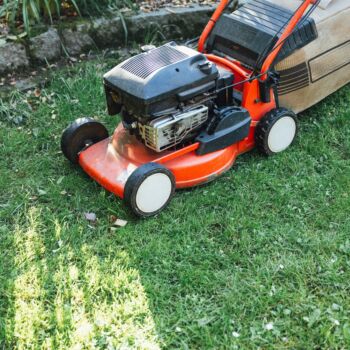
10. Prepare your lawn mower
Before the first mow, make sure your mower is ready:
- Sharpen the blade: a dull blade tears grass instead of cutting it, leaving the lawn vulnerable to disease and causing browning.
- Change the oil and spark plug.
- Adjust the cutting height: for the first mow, set it high and remove only the tips of the grass blades.
Need a hand with spring lawn care?
Maintaining a lawn takes time, knowledge, and equipment. If the checklist feels overwhelming—or if you’d rather enjoy your weekends—calling in professionals is a smart choice.
Our experts can assess your lawn’s condition and apply the right treatments at the right time. Our lawn care programs are designed to deliver balanced fertilization and long-lasting control of pests and weeds.
We offer:
- Annual fertilization programs
- Aeration services
- Control of harmful insects (chinch bugs, white grubs)
- Weed control treatments
Get your lawn ready for summer today. Contact us for a free estimate and let us transform your lawn.
Related articles
When Should I Mow the Lawn After Winter?
Although you do not need to mow the lawn in winter, it’s important to know when it is the right time to mow your grass in spring.

Year-Round Lawn Care Guide: Month-by-Month
Get a dense, green lawn year-round with our month-by-month lawn care guide, featuring seasonal tips, treatments, and expert advice.