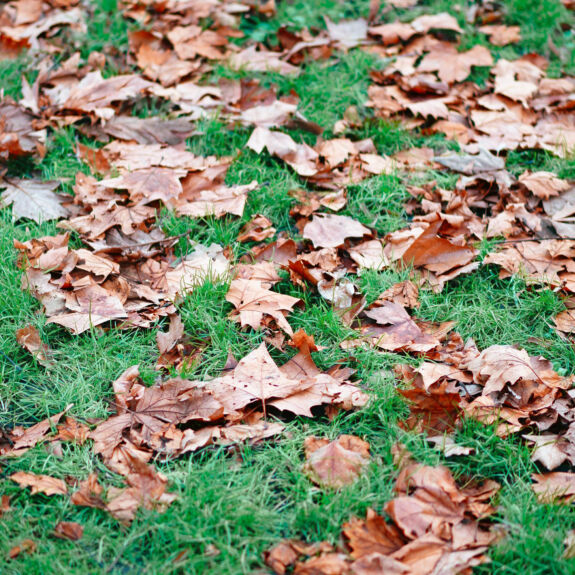
Fall lawn care is a bit like getting your house ready for winter: it all comes down to order and timing. Done right, it single-handedly determines how your lawn looks next spring. You don’t need to give up every weekend either. It comes down to about ten tasks, each in its own window, between late August and the first frosts. In this article, we give you the complete calendar, in order of priority, with the dates and measurements that make the difference.
Why Fall Matters More Than Spring
In Québec, from late August through October, grass switches modes: it slows its top growth and puts its energy into roots and reserves. Every task done during this period feeds rooting and plant health for the following year directly. The same task done in spring mostly feeds the blades, and weeds will compete because they germinate at the same time.
In other words: one hour of lawn care in September is worth two in May. It’s the best deal on the calendar.
How to Do a Quick Diagnosis Before You Start
Before working through the checklist, walk the property to set your priorities. Three checks are enough.
- Density test: From knee height, can you see soil between the blades over more than 25 % of the area? If so, overseeding moves up the list (task 03).
- Screwdriver test: Does a 15 cm screwdriver slide easily into slightly moist soil? If it stops after 3-4 cm, aeration goes to the top (task 02).
- Dead patch check: Brown areas that lift up like a carpet, with severed roots underneath? Check for white grubs before anything else: seeding or fertilizing over an infestation just feeds the larvae.
This walk-around tells you which of the 10 tasks are essential at your place and which are optional this year.
The 10 Tasks You Should Do, in Order of Priority
01. Book your aeration and overseeding (late August).
The first task doesn’t happen outside, it happens on the phone or online. Lawn care companies’ schedules fill up as soon as the nights cool down, and the best September dates go first. Booking now means choosing your window instead of taking what’s left. If you’re doing everything yourself, this is the time to reserve equipment rentals and buy seed before stock runs out.
02. Aerate the soil (late August to late September).
After a summer of foot traffic, core lawn aeration reopens the soil: water soaks in instead of running off, roots breathe and grow deeper, and the fertilization that follows finally reaches its destination. Aim for 20 to 40 holes per square metre, on slightly moist soil, and let the cores break down where they fall (2 to 3 weeks). It’s the task that multiplies the effect of all the others.
03. Overseed the thin areas (late August to mid-September).
Warm soil, cool nights, weeds at the end of their cycle: late August is the best seeding window of the year. Ideally the same day as aeration, spread a Québec-suited mix (Kentucky bluegrass, fine fescues, perennial ryegrass) in a crosshatch pattern, at 1 to 1.5 kg per 100 m² for overseeding. Then the key: keep the top centimetre of soil moist for 2 to 3 weeks, with 1 to 2 light waterings per day.
04. Apply fall fertilization (September).
Fall fertilizer, higher in potassium, strengthens roots and reserves rather than top growth. Apply it from mid-September to early October, ideally 4 to 6 weeks after seeding if you overseeded. It’s the most cost-effective application of the year: it feeds the plant exactly when it’s stocking up for winter.
05. Keep mowing, gradually lower (until the frost).
We’ve all made the mistake of putting the mower away too early. As long as the grass grows, you mow: at 6-8 cm in September, then gradually lower to finish the season at 5 cm on the final cut. Grass left too long flattens under the snow and invites snow mould; cut too short, it exposes its crowns to frost. The last mow usually lands between mid-October and early November, depending on the region.
06. Manage fallen leaves, without losing sleep over it (October).
No need to pick up every leaf the day it falls. The real rule: never let a solid carpet of leaves cover the grass for more than a week, because it smothers the plant and traps the moisture that favours disease. The old reliable trick: run the mower in mulching mode over a thin layer of leaves. Finely shredded, they disappear between the blades and feed the soil. You only bag when the layer gets too thick to shred in a single pass.
07. Water until shutdown, especially new seedings (September-October).
Fall is wetter, but not always wet enough. Keep up about 2.5 cm of water per week, rain included, as long as the soil isn’t frozen. Overseeded areas and growing roots need it most. If you have an irrigation system, schedule its blowout before the first hard frost, but not weeks ahead: every October watering still counts.
08. Treat perennial weeds (September).
It’s counterintuitive, but fall is the best time to go after dandelions and other perennials. At this time of year, the plant is moving its reserves down into its roots, and a treatment applied in September travels down with them, instead of only burning the leaf as it does in spring. Hand-pulling after a rain, when the soil is loose, also works very well on small areas: the taproot comes out whole.
09. Repair edges and Protect salt-prone zones (October).
Street and driveway edges take de-icing salt all winter long. In October, take the opportunity to level sunken edges with lawn soil and, if possible, plan some protection (tarp, marker stakes for snow removal). Marking the property lines before the snow also prevents the shovel and snowblower scalping you’d otherwise discover in April.
10. Do the final walk-through before winter (late October, early November).
Before the snow: final mow at 5 cm, last leaf pickup or mulching, and putting away the furniture, toys, and tarps that would crush the grass all winter. An object left on the lawn from November to April leaves a guaranteed yellow patch in spring. Drain the mower’s fuel tank or add a stabilizer too: your engine will thank you in May.
The Calendar at a Glance
- Late August: book your services (01), aeration (02), overseeding (03).
- September: watering new seed (07), treating perennials (08), fall fertilization (04), regular mowing (05).
- October: leaf management (06), edge repair (09), gradually lower mowing (05).
- Late October, early November: final mow at 5 cm, final walk-through (10).
A useful benchmark: in southern Québec, the first hard frost generally arrives between mid-October and early November; in regions farther north (Saguenay, Abitibi, Bas-Saint-Laurent), move each step up by about two weeks.
When to Call a Professional
Some situations are worth handing part of the checklist to a lawn care expert:
- Coordinated aeration and overseeding: professional equipment and the right sequence, in the right window, deliver a result that’s hard to match by hand.
- More than 40 % of the area is bare: the choice between overseeding and a full renovation deserves an on-site diagnosis before you invest.
- White grubs or patches that lift up: a confirmed infestation calls for targeted treatment before any seeding.
- Soil that refuses to drain: if water pools even outside the traffic paths, the problem goes beyond compaction and deserves an assessment.
- You’re simply short on time. Tasks 02, 03, and 04, properly synchronized, add up to several weekends. Handing them off is fine too.
Start the Fall on the Right Foot
At Vertdure, our lawn care experts take on the tasks that matter most: core aeration, overseeding with Québec-suited seed, and fall fertilization, coordinated within the right window for your region. Request your free quote now or explore our packages, and reach spring with the head start that fall can give you.
Related articles
When Should I Mow the Lawn After Winter?
Although you do not need to mow the lawn in winter, it’s important to know when it is the right time to mow your grass in spring.
Spring Checklist: 10 Actions to Gently Wake Up Your Lawn
Bring your lawn back to life this spring! Discover our 10-step checklist to promote healthy growth and achieve a lush, green lawn all summer long.