
Fall lawn care is an essential step in preparing your grass before winter arrives. Too often overlooked, this period is actually the perfect time to give your lawn a final boost. Mowing, watering, fertilizing, and aerating, each of these actions helps strengthen the turf and make it more resilient to harsh winter conditions.
In this comprehensive guide, discover the best practices to achieve successful autumn maintenance and ensure a lush, healthy lawn as soon as spring returns.
Why is fall lawn care so important?
In fall, the soil is still warm while temperatures start to drop. This creates the perfect environment to stimulate root growth and store nutrients before winter dormancy. A well-prepared fall lawn:
- Resists cold and frost more effectively.
- Reduces the risk of diseases and infestations in spring.
- Produces a dense, green appearance earlier in the season.
Fall lawn care is therefore not an optional chore but a long-term investment in your turf’s health.
Mowing: adjust the height before winter
Mowing is simple but plays a key role in fall. Experts recommend a final cut at about 4 cm (1½ in).
- Why? Grass that’s too long retains moisture, encouraging disease, while grass that’s too short exposes roots to the cold.
- Practical tip: Do two close mowings in autumn, the first slightly higher (5 cm/2 in), then the final cut lower (4 cm/1½ in).
By integrating proper mowing into your fall lawn care, you help the grass survive the cold months and regrow stronger in spring.
Watering: deep hydration
Many people think watering is unnecessary in fall. That’s a mistake. The lawn still needs about 2.5 cm (1 in) of water per week, including rainfall.
- Why? Deep watering encourages strong root development and prevents drought stress before winter.
- Practical tip: Opt for less frequent, deeper watering sessions instead of frequent light sprinklings. This pushes roots to grow deeper.
Well-managed watering is an integral part of successful fall lawn care.
Fertilizing: feed the soil before winter
Fall is one of the two key seasons for fertilizing. Applying the right fertilizer:
- Stimulates root growth.
- Builds nutrient reserves for spring.
- Makes the lawn denser and more disease-resistant.
How to fertilize properly:
- Choose a slow-release fertilizer rich in potassium to boost cold resistance.
- Avoid overapplication, which can burn the grass or upset soil balance.
- Apply in mid-September to early October for best results.
Fertilization is a central pillar of fall lawn care, ensuring nutrient-rich soil for winter.
Aeration: a vital fall step
Aeration means making small holes in the soil to reduce compaction and improve the penetration of air, water, and nutrients.
Why in fall? The soil is moist and pliable, maximizing aeration benefits.
Advantages:
- Deeper, stronger roots.
- Reduction of thatch (the layer of organic debris).
- Greater resistance to disease and drought.
Adding aeration to your fall lawn care revitalizes the soil and prepares it for fertilization and autumn rains.
Other helpful actions
Besides mowing, watering, fertilizing, and aerating, a few simple tasks further enhance autumn maintenance:
- Remove fallen leaves: They smother the grass if they accumulate.
- Overseed bare patches: Fall’s mild temperatures and steady humidity make it ideal for seeding.
- Apply lime (calcium): If the soil is too acidic, lime improves nutrient absorption and soil structure.
These actions, combined with the main practices, complete an effective fall lawn care program.
Why trust Vertdure for fall lawn care?
Although many steps can be done yourself, hiring a professional company like Vertdure offers several advantages:
- Local expertise for over 35 years.
- Eco-friendly products and techniques.
- Comprehensive services: fertilization, aeration, soil treatment, and insect control.
Choosing Vertdure means entrusting your fall lawn care to professionals who deliver lasting results while protecting your family and pets.
A lawn ready for spring
Successful fall lawn care rests on four pillars: proper mowing, deep watering, targeted fertilization, and soil aeration. Add complementary steps like leaf removal and overseeding to maximize your chances of enjoying a thick, green, resilient lawn as soon as warm weather returns.
Preparing your lawn in fall is an investment in its health and ensures a pleasant outdoor environment all year long.
Related articles
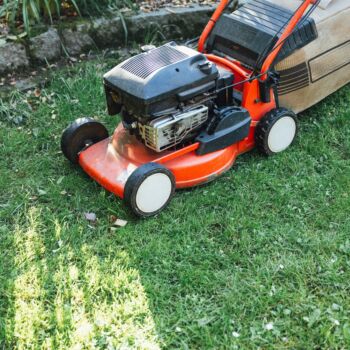
When Should I Mow the Lawn After Winter?
Although you do not need to mow the lawn in winter, it’s important to know when it is the right time to mow your grass in spring.

Spring Checklist: 10 Actions to Gently Wake Up Your Lawn
Bring your lawn back to life this spring! Discover our 10-step checklist to promote healthy growth and achieve a lush, green lawn all summer long.